


What to Expect at Your First Botox Appointment in Del Mar
Walking into your first Botox appointment can feel like stepping into unfamiliar territory. You’ve probably scrolled through countless before-and-after photos, read reviews, and maybe even had friends share their experiences. But nothing quite prepares you for that moment when you’re sitting in the treatment chair, wondering what happens next.
The good news is that your first Botox appointment is far less intimidating than you might think. Most patients are surprised by how quick, straightforward, and comfortable the entire process is. Whether you’re looking to smooth forehead lines, soften crow’s feet, or prevent frown lines from deepening, understanding what to expect can transform your nervous anticipation into confident excitement.
This guide walks you through everything from your initial consultation to the weeks following your treatment, so you’ll know exactly what’s coming at every step of your Botox journey.
The Basics Before Your First Treatment
Botox is a popular non-surgical treatment that uses botulinum toxin type A to temporarily relax facial muscles. When injected into targeted muscles, it blocks nerve signals that cause muscle contractions, which smooths dynamic wrinkles formed by repeated facial expressions.
The treatment has been FDA-approved for cosmetic use since 2002 and has an extensive safety record. Beyond its cosmetic applications, Botox also treats medical conditions like chronic migraines and excessive sweating.
Most beginners are recommended 10 to 20 units per treatment area, though your provider will create a personalized treatment plan based on your facial anatomy and aesthetic goals. Common treatment areas include forehead lines, crow’s feet around the eyes, and the vertical lines between your eyebrows known as frown lines.
What to Do Before Your First Botox Appointment
Proper preparation significantly impacts your Botox experience and results. About one week before your first appointment, you should stop taking blood-thinning medications and supplements like aspirin, ibuprofen, fish oil, and vitamin E to reduce the risk of bruising.
You should avoid alcohol consumption for 24 to 48 hours before your Botox appointment to minimize bruising at injection sites. Alcohol can increase blood flow and thin your blood, making you more prone to visible bruising.
If you smoke, aim to avoid smoking for at least four to six weeks before and after your Botox treatment. Smoking constricts blood vessels and can interfere with healing and optimal results.
On the day of your treatment, drinking plenty of water and eating a balanced meal can prevent lightheadedness during the injection process. You should arrive at your Botox appointment with a clean face, free from makeup and topical products, which allows your provider to properly assess your facial muscles and maintain skin health.
What Happens During My Botox Consultation?
Your first Botox appointment begins with a thorough consultation where you’ll discuss your treatment goals with your healthcare provider. This is your opportunity to communicate your aesthetic goals clearly and express any concerns you might have.
During this conversation, you should provide a complete medical history, including current medications, any prior cosmetic procedures, and relevant health conditions. Your provider needs to know if you’ve had dermal fillers or other injectables, as this affects your treatment plan.
You should not have Botox if you are pregnant, breastfeeding, or have a neurological disease. Be honest about these factors so your provider can determine if Botox is safe for you.
Your provider will examine your facial anatomy, observing how your muscles move when you make various facial expressions. They’ll explain which injection sites will be targeted and the expected number of units needed to achieve natural-looking results while maintaining your ability to express yourself.
What Happens During Your First Botox Treatment
Botox in Del Mar is relatively quick and straightforward, usually taking between 15 to 30 minutes. In reality, an appointment typically lasts just 10-15 minutes for the actual injection process, with most of the time spent on consultation and preparation.
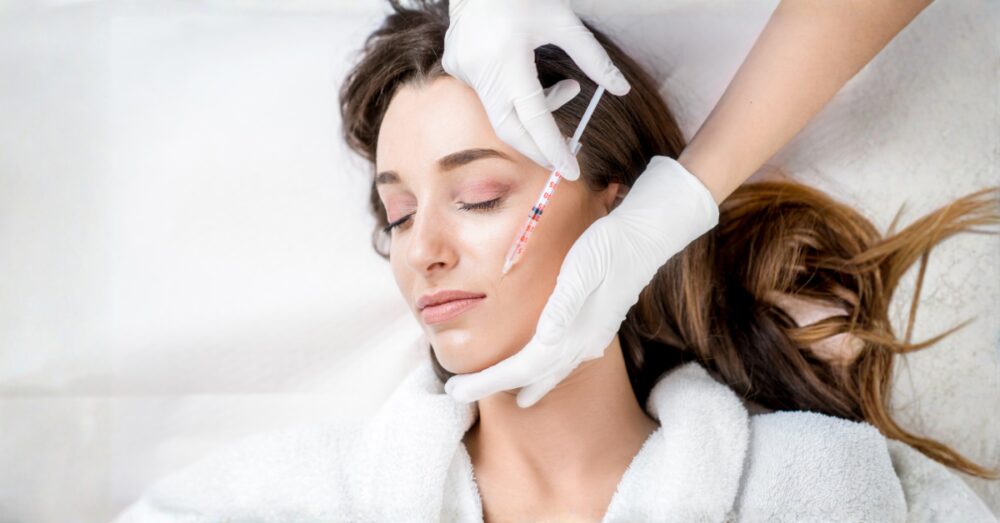
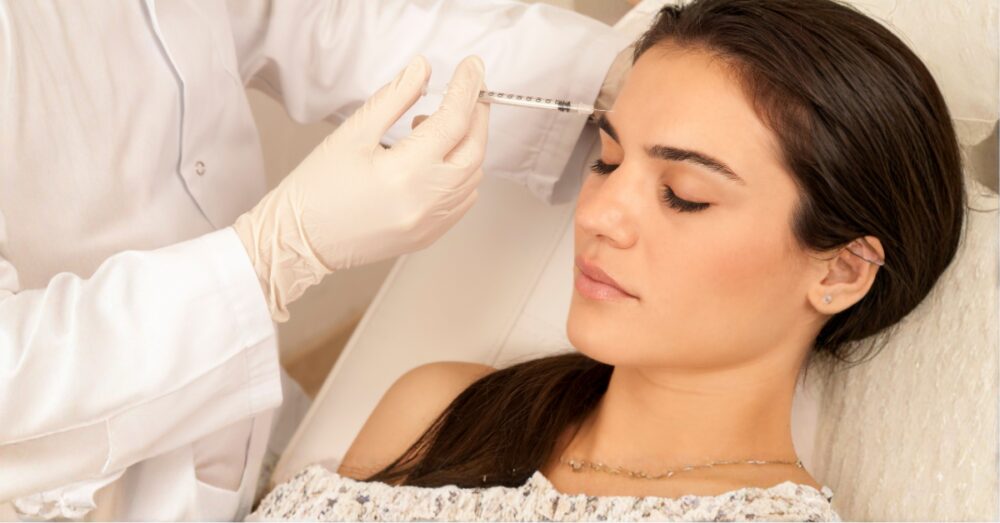
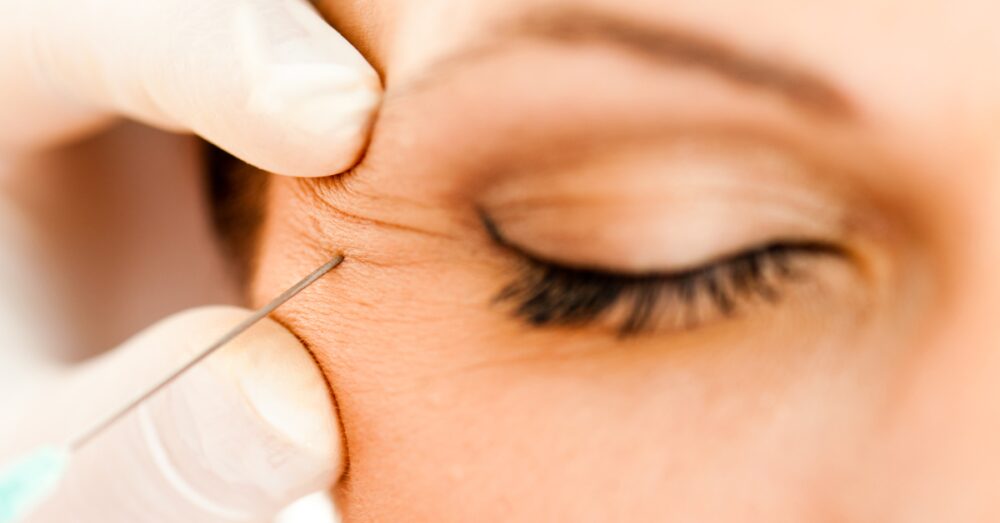
Your provider will mark the treatment area with a surgical pen to identify the intended muscles and precise injection sites. During the treatment, small amounts of Botox will be injected into the targeted muscles using a fine needle.
Most patients describe the sensation of Botox injections as a mild pinch. Many patients find that Botox injections cause minimal discomfort and often require no numbing cream, though one can be applied if you’re particularly sensitive to minimize discomfort.
The number of injections depends on the areas being treated. For example, treating forehead lines might involve 4-6 injection sites, while crow’s feet typically require 3-4 injections per side.
Does Botox Hurt?
Patients describe the feeling during Botox cosmetic injections in remarkably similar ways. The most common comparison is to a quick pinch or the snap of a rubber band against your skin, which is brief and tolerable for most people.
The fine needle used for Botox is much smaller than those used for vaccines or blood draws, which contributes to the minimal discomfort. Each injection takes just seconds, and because the treated areas are relatively small, the entire injection process moves quickly.
You might notice a slight feeling of pressure as the botulinum toxin is injected beneath your skin. Minor red bumps may occur at the injection sites immediately after treatment and usually resolve within an hour.
If you’re anxious about pain, remember that you can return to most normal activities immediately after your Botox treatment. It is very manageable for the vast majority of patients.
The First 24 Hours Matter
After receiving Botox treatment, it’s important to avoid rubbing or massaging the treated areas for the first 24 hours. This prevents the Botox from migrating to unintended muscles, which could affect your results or cause temporary facial muscle weakness.
It is also advisable to stay upright for four to six hours after your Botox treatment to prevent the product from shifting. Avoid lying down or bending over during this window to help the Botox settle properly in the targeted muscles.
You should avoid strenuous activities for at least 24 hours after your Botox appointment. This includes intense exercise, hot yoga, saunas, and steam rooms, or essentially any activity that causes excessive sweating or significantly increases blood flow to your face.
Following these aftercare instructions helps ensure optimal results and reduces the risk of complications. Most patients can return to normal activities immediately after Botox treatment, but should avoid strenuous activities for 48 hours as a precaution.
What to Avoid After Your First Botox Treatment
Beyond the first 24 hours, certain precautions extend your recovery period. You should continue to avoid excessive sun exposure and tanning beds for at least two weeks after treatment, as UV radiation can stress your skin and potentially interfere with how the Botox settles.
It’s recommended to avoid alcohol for at least 48 hours after Botox treatment to minimize the risk of bruising. Like before treatment, alcohol thins your blood and can exacerbate any minor bruising at injection sites.
Engaging in activities that cause excessive sweating should be avoided after Botox treatment, as this can diminish the effects of the Botox. Give your body at least 24-48 hours before returning to vigorous workouts or heated exercise classes.
Patients should refrain from facials, chemical peels, or microdermabrasion for at least two weeks following their first treatment. These procedures can put pressure on the treated areas or irritate the skin while it’s still adjusting to the neurotoxin.
How Long Do Botox Results Last?
Botox is not a permanent solution for wrinkles, and its effects typically last three to four months. The longevity of your results depends on several individual factors, including your metabolism, the strength of your facial muscles, and how expressive you naturally are.
The effects of Botox can vary based on individual factors such as metabolism and muscle activity levels. People with faster metabolisms or particularly active facial muscles may find their results fade slightly sooner, while others might enjoy effects that extend closer to four or five months.
Patients often need follow-up treatments every three to four months to maintain results. Some patients find that with regular treatments, they can gradually extend the time between appointments as the targeted muscles become trained to relax.
Your provider will typically recommend scheduling a follow-up appointment around the three-month mark to assess how your muscles are responding and discuss your next treatment timeline.
Who Should Not Get Botox?
Certain individuals should avoid Botox treatment altogether. You should not have Botox if you are pregnant, breastfeeding, or have a neurological disease such as ALS or myasthenia gravis, as the effects on these conditions aren’t fully understood.
Patients should avoid blood-thinning medications before Botox to reduce the risk of bruising, but if you take these for a serious medical condition, discuss the risks and benefits with both your prescribing physician and your injector before proceeding.
If you have an active skin infection or inflammation in the areas you want treated, you’ll need to postpone your appointment until these conditions resolve. This prevents spreading infection and ensures the Botox can work effectively.
Anyone with an allergy to any ingredient in Botox formulations should not receive the treatment. During your consultation, review the ingredient list with your provider to ensure you don’t have any sensitivities.
Choosing the Right Provider for Your First Botox Experience
Your Botox experience depends heavily on the skill and experience of your provider. Look for a trained and certified medical professional who specializes in aesthetic injectables and understands facial anatomy deeply. During your consultation, ask about their experience with Botox treatments, how many procedures they perform monthly, and whether they can show you before-and-after photos of previous patients. A skilled injector should be able to explain their technique and how they plan to achieve natural-looking results specific to your face.
The relationship between you and your provider should feel collaborative. They should listen to your concerns, answer your questions thoroughly, and never pressure you into treatments you’re not comfortable with or ready for.
Frequently Asked Questions
What should I avoid before my first Botox appointment?
Stop taking blood-thinning medications and supplements (aspirin, ibuprofen, fish oil, vitamin E) one week before treatment. Avoid alcohol for 24-48 hours prior, arrive with a clean face free from makeup, and refrain from smoking for four to six weeks before and after treatment. These precautions significantly reduce your risk of bruising and help ensure optimal results.
How long does a first Botox appointment take?
Your first Botox appointment will typically take 15-30 minutes total, including consultation time. The actual injection process usually lasts just 10-15 minutes, with 10-20 units typically injected per area. Most of your appointment time is spent discussing your goals and reviewing your complete medical history with your provider.
When will I see results from my first Botox treatment?
Initial results from Botox may appear within two to three days as the product begins relaxing your facial muscles. Full effects of Botox typically appear after 10 to 14 days, revealing a softer, refreshed look. Avoid judging your final results until the two-week mark when the Botox has completely settled.
What can I not do after getting Botox?
After receiving Botox treatment, avoid rubbing or massaging treated areas for 24 hours, and stay upright for four to six hours to prevent the product from shifting. You should avoid strenuous activities, intense exercise, hot yoga, saunas, and activities causing excessive sweating for at least 24-48 hours. Additionally, avoid lying down or bending over during the first four to six hours after treatment.
Are there any side effects I should worry about after my first Botox?
Most side effects are minor and temporary, including slight redness, mild swelling, and occasional bruising at injection sites. Some patients experience mild flu-like symptoms or headaches. Serious complications from Botox are extremely rare when proper injection techniques are followed. Contact your provider immediately if you experience severe headaches, vision changes, or difficulty swallowing.
Book Your First Botox Appointment in Del Mar
Your first Botox appointment doesn’t have to be stressful or overwhelming. With the right preparation and a skilled provider, you’ll find the experience is quick, relatively comfortable, and delivers results that can genuinely boost your confidence.
At Coastal Medical Aesthetics, our experienced team understands that every patient’s facial anatomy and aesthetic goals are unique. We take the time to create personalized treatment plans that deliver natural-looking results while helping you maintain your ability for authentic facial expressions.
Ready to take the next step in your Botox journey? Call Coastal Medical Aesthetics at (858) 353-7171 to schedule your consultation. We’ll answer all your questions, address your concerns, and help you achieve the refreshed, youthful appearance you’re looking for.