


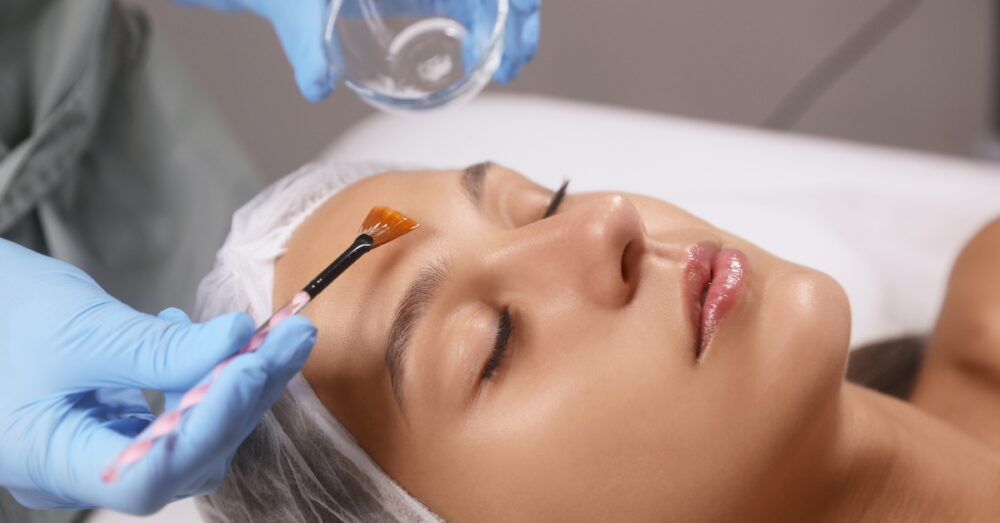
If you’ve been researching ways to fade sun damage, clear stubborn acne, or smooth out fine lines, you’ve probably come across the VI peel. So what is a VI chemical peel, exactly? It is a medical-grade, medium-depth chemical peel that penetrates the outer layer of skin and reaches into the dermis to resurface, brighten, and rejuvenate. It’s one of the most requested treatments at aesthetic clinics, and for good reason.
What Is a Chemical Peel?
A chemical peel is a procedure where a chemical solution is applied to the skin to remove the top layers, revealing newer, smoother skin underneath. The chemical solution causes controlled damage to dead and damaged skin cells, prompting them to shed so that new skin can form in their place. That new skin is typically smoother, more even in tone, and has fewer visible lines and wrinkles.
Peels can be performed on the face, neck, chest, and hands, making them versatile for treating skin concerns beyond just the face.
How Do Chemical Peels Help With Lines, Wrinkles, and Sun Spots?
Fine lines and wrinkles form as collagen and elastin production slows with age. A chemical peel accelerates cell turnover and stimulates the deeper layers of the skin to produce fresh collagen, gradually softening the appearance of wrinkles. Most patients notice visible improvement within one week of treatment, with continued results after a series of sessions.
Chemical peels are also one of the more effective treatments for sun spots, age spots, and discoloration from melasma. By removing the top layers of skin and reducing melanin production, peels help fade dark spots caused by sun damage or certain skin conditions. Deep pigmentation may require a series of treatments rather than a single session.
What Are the Three Types of Chemical Peels?
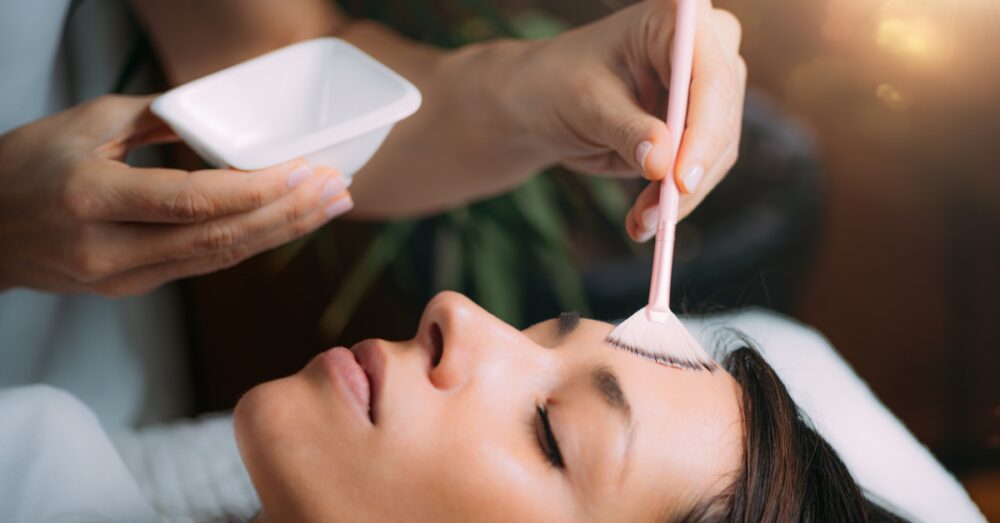
Chemical peels are classified into three depths: light, medium, and deep. The depth determines how many layers of skin are affected, how much recovery time is needed, and how dramatic the results will be. Choosing the right depth depends on your skin concerns, skin type, and tolerance for downtime.
What Is a Light Chemical Peel?
A light chemical peel, sometimes called a superficial peel, targets only the outermost layer of skin called the epidermis. Common acids used include glycolic acid and salicylic acid. It’s a good starting point for mild skin concerns like uneven skin tone, minor texture issues, and early signs of aging.
After a light chemical peel, treated skin will be red, dry, and mildly irritated. Downtime is minimal, and is usually only a day or two. Multiple sessions are often recommended for best patient results, and superficial peels can typically be repeated every few weeks.
Common indications for a light chemical peel include:
- Mild acne and acne scars
- Early fine lines
- Dull or uneven skin tone
- Dry or rough texture
- Mild sun spots
What Is a Medium Chemical Peel?
A medium chemical peel penetrates through the epidermis and into the middle layer of the skin, called the dermis. Trichloroacetic acid is a common agent used in medium-depth treatments. This depth is effective for moderate wrinkles, deeper sun damage, and more pronounced skin conditions.
After a medium chemical peel, treated skin will be red and swollen, and you may feel stinging for several days. The recovery timeline is typically five to seven days of peeling, with full results visible within about two weeks. A medium chemical peel is recommended when a light peel won’t achieve the desired results, but a more intensive recovery isn’t feasible.
What Is a Deep Chemical Peel?
A deep chemical peel reaches the lower layers of the dermis and is typically reserved for severe wrinkles, deep scars, or precancerous growths. Carbolic acid (phenol) is the primary agent used. Recovery is intensive, and you can expect severe redness, swelling, and a longer healing period. In some cases, general anesthesia or sedation may be used. A deep peel carries a higher potential risk of pigment changes and requires close monitoring by a provider.
What Makes the VI Peel Different From Other Chemical Peels?
The VI peel is a proprietary medium-depth chemical peel that uses a blend of TCA, phenol, salicylic acid, Retin-A, and Vitamin C. Together, these ingredients exfoliate the epidermis, stimulate collagen and elastin in the dermis, and suppress melanin production. The result is clearer, firmer, more even-toned skin, with a formulation designed to be safe for all skin types and tones, including darker complexions.
Compared to light chemical peels, the VI peel penetrates more deeply and delivers more significant results with a similar level of comfort. Unlike a deep chemical peel, it doesn’t require intensive recovery or sedation. It sits firmly in the medium-depth category, so it is effective enough to produce real change, but manageable enough that most patients return to normal activity within a week.
What Types of VI Peels Are Available?
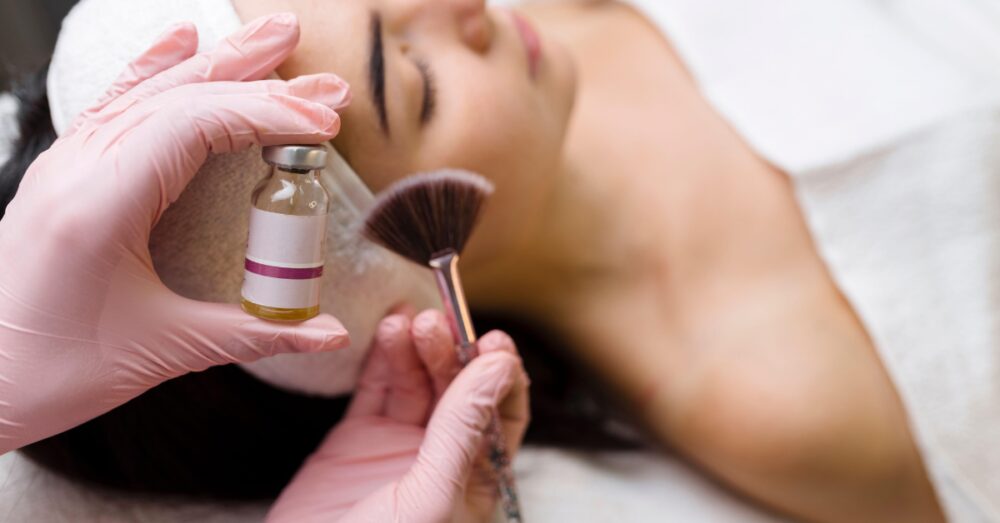
Not all VI peels are the same; each formula is designed for a specific concern. The five options offered at Coastal Medical Aesthetics are:
- VI Peel Advanced – Formulated for mature skin types, this peel improves collagen production and cell turnover to strengthen and firm aging skin
- VI Peel Precision Plus – The most popular option in the VI line; suppresses melanin production while boosting cell turnover to target sun damage, melasma, and hyperpigmentation
- VI Peel Precision Plus Peptides – Combines the pigment-correcting power of Precision Plus with peptides that support skin firmness and reduce the visible signs of aging
- VI Peel Body (Small) – Targets fine lines, pigmentation, acne, scarring, and stretch marks on smaller treatment areas of the body
- VI Peel Body (Large) – The same collagen-stimulating, resurfacing formula applied to larger body areas for more extensive concerns
Who Is a Good Candidate for a VI Peel?
Skin type plays an important role in peel selection. Those with darker skin tones have a higher risk of post-inflammatory hyperpigmentation after a medium or deep peel. The VI peel was specifically formulated to be safer across the Fitzpatrick skin type spectrum, but a pre-treatment consultation is still essential. Anyone with a history of melasma, cold sores, or prior use of oral acne medication like isotretinoin should discuss this with their provider before scheduling.
What Happens During a VI Peel Procedure?
Your aesthetician will start by cleansing the treatment area thoroughly. The VI peel solution is then applied in layers: the first may cause a mild numb or tingly sensation; the second causes the skin to turn white as it begins to work. The procedure takes about 30 to 45 minutes and is generally painless. A cool compress may be offered for comfort. You leave with the peel on and wash it off with a mild cleanser and water about four to six hours later.
What Does VI Peel Aftercare Look Like?
Recovery from a VI peel is straightforward. Here’s what to expect day by day:
- Days 1–2: Mild redness, tightness, and swelling
- Days 3–4: Skin starts to peel—this is normal and expected
- Days 5–6: Peeling continues; avoid picking or rubbing treated skin
- Day 7: Most peeling resolves; skin looks noticeably refreshed
To support healing, apply moisturizer regularly, wash gently with a mild cleanser, apply ointment as directed, and wear sunblock every day without exception. Sun exposure after a peel can cause complications, especially pigment changes. Avoid wearing makeup until your skin heals fully, which is typically around day four to five.
How Much Does a VI Peel Cost and How Often Should You Get One?
The cost of a VI peel varies by location and clinic. Estimates range from $375 to $500. Since the VI peel is considered a cosmetic procedure, insurance will not cover it. Some clinics offer package discounts for multiple sessions. For optimal maintenance, treatments are recommended every three to four months. Results from a single VI peel are visible around day seven, but a series of three or more is typically recommended for maximum effect.
Are There Alternatives or Combination Treatments Worth Considering?
For deep wrinkles or severe scarring that a medium-depth peel alone can’t fully address, alternatives like laser resurfacing or dermal fillers may be worth discussing with your provider. Peels can also be safely combined with microneedling or laser treatments—though sequencing matters. Your provider can help you plan treatments with enough spacing to let skin heal properly between sessions.
Frequently Asked Questions
Does a VI peel hurt?
Most patients describe the VI peel as a mild stinging or tingling sensation during application, not painful. The first layer may cause brief numbness; the second layer causes temporary whitening of the skin. Overall, it’s one of the more comfortable medium-depth chemical peels available.
When can I wear makeup after a VI peel?
You should wait until the skin has largely finished peeling before wearing makeup—typically around day four to five. Applying products too early can interfere with healing and increase the risk of irritation or infection.
When can I return to work after a VI chemical peel?
Most patients return to work within three to five days, depending on how visible the peeling is and their comfort level. The procedure involves minimal downtime compared to deeper peels, though some prefer to stay home during peak peeling days.
How many VI peel treatments will I need?
One treatment produces visible results, but a series of three or more sessions is recommended for the best long-term outcome. Maintenance treatments every three to four months help sustain results.
Is the VI chemical peel safe for darker skin tones?
Yes. The VI peel is specifically formulated to be safe for all skin types and tones, including darker skin tones that carry a higher risk of pigment changes with other medium chemical peels. A consultation with your provider will help confirm the right formula for your skin.
Ready to Try a VI Chemical Peel in Del Mar?
At Coastal Medical Aesthetics, we offer the full line of VI peels with all six formulas tailored to your specific skin concerns. Whether you’re dealing with hyperpigmentation, acne, early aging, or sun damage, our licensed providers will guide you to the right treatment. Call us at (858) 353-7171 or book your consultation online today.