


If you’ve been comparing microneedling vs chemical peel options in San Diego and still can’t decide, you’re on the right page. Both treatments refresh tired skin, soften fine lines, and improve skin texture. They just get there in very different ways, and knowing how each one works is the quickest route to the right choice for your skin goals.
Here’s the honest truth from a team that performs both every week: neither treatment is the “better” one. The best treatment is the one that fits your skin type, your specific concerns, and how much downtime works for your life right now. At Coastal Medical Aesthetics, our Del Mar Heights clinic offers medical-grade chemical peels and two types of microneedling under one roof.
Key Takeaways
- Chemical peels use a chemical solution to resurface the skin’s surface, while microneedling uses fine needles to trigger collagen production from within.
- Peels are often a natural fit for pigmentation and sun damage, while microneedling is often a natural fit for acne scars and enlarged pores. Many clients benefit from both over time.
- A personalized consultation is the most reliable way to choose, especially if you have darker skin tones, sensitive skin, or a history of breakouts.
What Is the Real Difference Between Microneedling and Chemical Peels?
The key differences come down to direction. A peel works from the outside in, removing layers of dull, damaged cells so fresher skin can surface. Microneedling works from the inside out, prompting your skin to rebuild its own support structure over several weeks.
How Chemical Peels Work
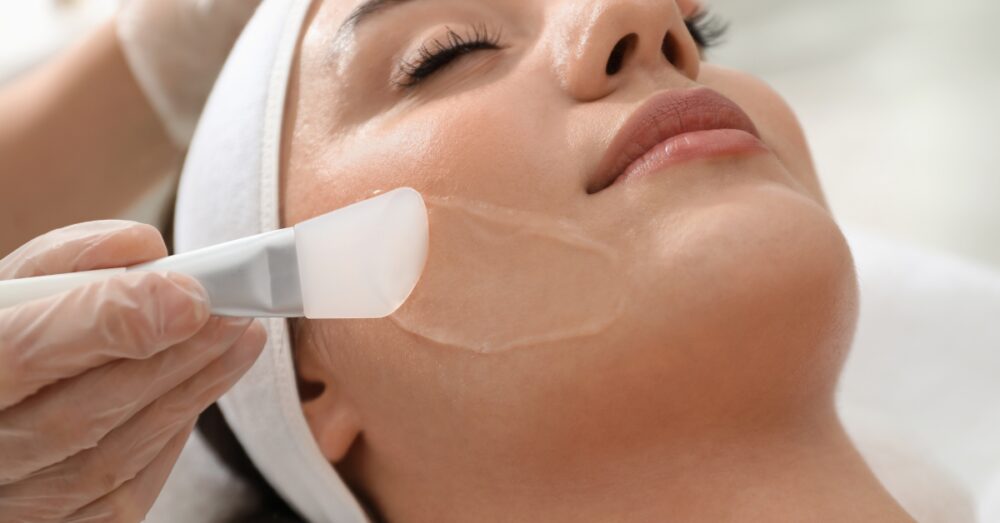
Chemical peels work by applying a carefully balanced solution that loosens the bonds holding old cells to the top layer of skin. Over the following days, those outer layers shed and reveal a brighter, smoother complexion underneath.
Chemical peels vary quite a bit in peel strength. A light chemical peel gives a gentle polish with little to no flaking, while deep peels reach much further and can require weeks of recovery. Medium depth peels sit in the middle, offering visible results with a few days of manageable peeling, and this is the category we work with in our clinic.
How Microneedling Works
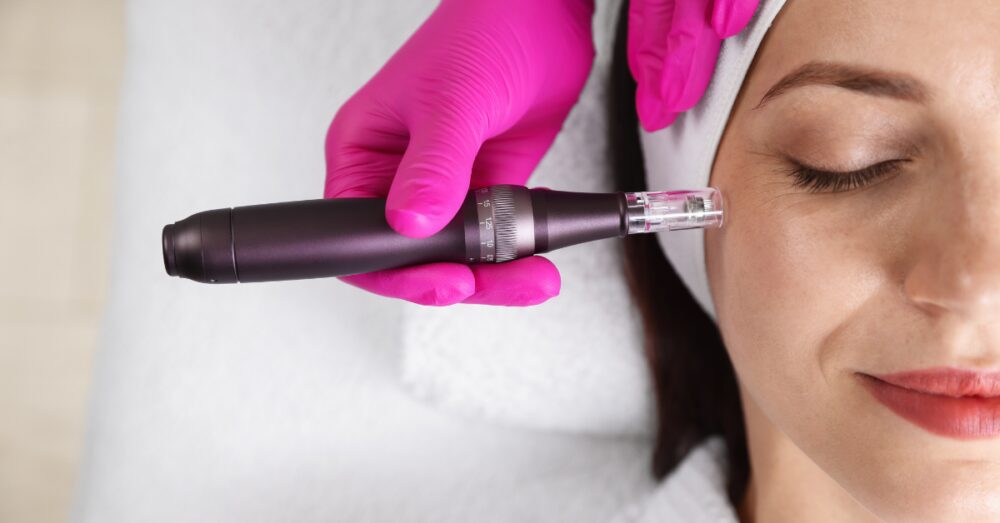
Skin microneedling uses sterile needles to create controlled micro-injuries in the skin. These tiny wounds close quickly, but your body reads them as a signal to repair, which kicks off collagen remodeling and elastin production in the deeper layers.
RF microneedling takes this a step further by delivering radiofrequency heat through the needle tips. That warmth reaches deeper tissue, which is why it’s often considered for sagging skin, stretch marks, and more stubborn scarring. As the American Academy of Dermatology explains, results from microneedling appear gradually as your body produces new collagen, so the improvement keeps building after you leave.
Microneedling vs Chemical Peel by Skin Concern
Most clients come in with one or two main concerns rather than a long list. Matching the treatment to the concern is where real progress happens, so let’s look at the most common ones.
Which Treatment Helps Acne Scars and Enlarged Pores?
If your main goal is to reduce acne scars, microneedling is often the starting point. Indented scars sit below the surface, and promoting collagen production underneath helps lift and soften them over a series of microneedling sessions.
Peels still play an important role here. Clients with mild acne, oily skin, or leftover marks from breakouts often see significant improvement from peels formulated to clear congestion. Enlarged pores and rough texture respond well to both approaches, which is why we look at the full picture before recommending either one.
Sun Damage, Age Spots, and Fine Lines
Discoloration tends to sit in the upper layers of skin, which makes peels a natural fit for sun damage, age spots, and blotchy tone. By speeding up cell turnover, a peel lifts that discoloration and helps bring back radiant skin.
For fine lines and mild wrinkles, either option can help. Peels give a quicker surface refresh, while microneedling builds firmness more gradually. If you’re noticing early laxity along the jawline or neck, RF microneedling is worth a conversation.
Is One Option Safer for Darker Skin Tones?
This is one of the most common questions we hear, and it deserves a careful answer. Both treatments can be safe for all skin tones when they’re chosen and performed thoughtfully. The bigger risk usually isn’t the treatment itself but a one-size-fits-all approach.
Melanin-rich skin can be more prone to pigmentation changes after inflammation. Because microneedling doesn’t strip away the outer surface, some clients with darker skin tones prefer microneedling as a first step. Well-formulated medium-depth peels are also a solid option when skin prep and aftercare are handled with care.
Your unique skin history matters just as much as your skin tone. Past reactions, melasma, or a tendency to scar all shape your treatment plans, so share them openly during your consultation.
Comfort and Recovery Time Compared
Recovery depends on your skin, the depth of treatment, and how closely you follow aftercare. Still, each treatment has a fairly predictable rhythm that can help you plan.
Does microneedling hurt? With numbing cream applied first, most clients describe a light prickling or pressure rather than pain. A peel tends to feel different, usually a warm tingle for a few minutes, similar to a mild sunburn, before it settles down.
After microneedling, redness typically fades within a day or two, so it often means less downtime before social plans. With a medium-depth peel, your skin looks fairly normal at first, and the flaking phase usually lands in the middle of the week.
For most people, neither treatment requires time off work. The real question is whether you’re more comfortable with a day or two of pinkness or a few days of light peeling.
Why San Diego Sun Matters for Chemical Peels and Microneedling
Living in San Diego means year-round sunshine, beach days, and plenty of outdoor workouts. That lifestyle is wonderful for the soul, but it adds up on the skin, often showing as uneven texture and stubborn sun spots.
Freshly treated skin is more sensitive to UV, so timing matters. Many clients in Carmel Valley and nearby coastal neighborhoods schedule peels during cooler, cloudier months or before a stretch of indoor weeks. Daily sunscreen of SPF 30 or higher is essential after either treatment.
If you surf, run along the coast, or spend weekends outdoors, let us know upfront. We’ll plan your sessions around your calendar so healing never competes with the life you love.
An Expert Take on Combining Both Treatments
Here’s something our providers see often in the treatment room: clients who combine microneedling and chemical peels over a few months tend to get more balanced results than those who stick with only one. The peel handles surface tone and clarity, while microneedling rebuilds structure underneath.
We don’t usually perform both in the same session. Instead, a combination approach spaces the two treatments a few weeks apart so your skin fully recovers between visits. A personalized plan might alternate them or start with one and add the other once your skin is ready.
The goal is healthy skin that keeps improving, not one dramatic appointment. In our experience, small and well-timed steps deliver the most natural-looking change, and they’re easier on your skin along the way.
Frequently Asked Questions
Can I get microneedling or a chemical peel before a wedding or big event?
Yes, as long as you plan ahead. Since collagen builds over several weeks, it’s best to start a microneedling series about three months before your event. For a peel, book your final session at least two weeks out so any flaking is completely finished and your skin looks fresh. Avoid trying a new treatment in the last week, since that’s not the time to test how your skin reacts.
Should I choose microneedling or a peel if I have active breakouts?
Active, inflamed acne usually means microneedling should wait, because needling over open breakouts can spread bacteria and irritate the skin. A peel designed for oily or congested skin is often a better first step for mild acne. Once breakouts calm down, microneedling can follow to address any scars left behind. Your provider will check your skin on the day of treatment and adjust the plan if needed.
Can I switch from chemical peels to microneedling if I’m not seeing the change I want?
Absolutely, and it’s a common shift. Peels work well for surface tone, but deeper concerns like indented scars or loss of firmness often need the collagen-building effect of microneedling. Switching doesn’t mean the peels failed. It usually means your goals have changed or your skin is ready for the next step. We’ll review your before photos together and adjust your plan from there.
Is it okay to get microneedling or a chemical peel while pregnant or breastfeeding?
Most providers recommend waiting. Several ingredients commonly found in medium-depth peels aren’t advised during pregnancy, and hormonal changes can make skin more reactive to both treatments. Pregnancy also raises the risk of pigmentation shifts such as melasma. The safest choice is to pause until after pregnancy and breastfeeding, then revisit your options. In the meantime, gentle skincare and daily sunscreen will keep your skin in good shape.
How do I keep my results going after finishing a treatment series?
Results from both treatments are real but not permanent, since your skin keeps aging and the sun keeps doing its work. Many clients book a maintenance microneedling session or peel once or twice a year after completing their initial series. Daily sunscreen, a consistent home routine, and skipping tanning all help protect your progress. Your provider can map out a simple maintenance schedule that fits your budget and lifestyle.
Microneedling and Chemical Peels in Del Mar Heights
Choosing between microneedling vs chemical peel options in Del Mar Heights shouldn’t feel like guesswork. At Coastal Medical Aesthetics, every visit starts with a personalized consultation where our licensed providers and aesthetician study your skin, take before photos, and build a plan around what you actually want to see in the mirror.
Our menu includes six VI Peel formulas (Original, Advanced, Precision Plus, Purify, Purify with Precision Plus, and Body), FDA-cleared SkinPen Microneedling, and Secret RF microneedling for deeper renewal. With every option in one place, your plan is built on results rather than whatever a clinic happens to offer.
Expect a calm, luxurious space, thoughtful touches like ice packs and arnica when you need them, and a team that listens instead of upselling. We stay with you from your first consultation through every follow-up, tracking your progress so each session moves you closer to your goals. Visit us at 3435 Del Mar Heights Road, #D6, San Diego, CA 92130, just minutes from Carmel Valley, or call 858-705-4489 to book your consultation. Your smoother, more confident skin starts with one conversation.