


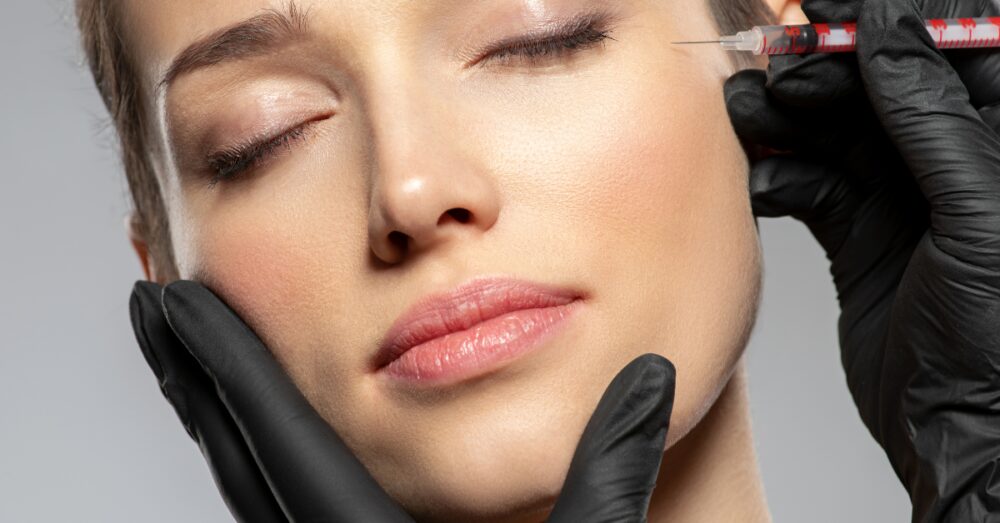
If you’ve noticed fine lines fanning out from the corners of your eyes every time you smile or squint, you’re not alone. Crow’s feet are one of the most common signs of aging skin, and they’re also one of the easiest to treat. Botox for crow’s feet remains the gold standard for smoothing those creases and restoring a refreshed appearance, and if you’re searching for a trusted provider near Del Mar Heights Road in San Diego, CA, you’re in the right place.
This guide walks you through everything you can expect before, during, and after crow’s feet Botox treatment so you can feel confident about your next step.
What Are Crow’s Feet, and Why Do They Form Around the Eyes?
Crow’s feet, clinically called lateral canthal lines, are the small wrinkles that radiate from the outer corners of your eyes. They show up most when you’re smiling, laughing, or squinting, but over time they can become visible even at rest.
These lines form from the repeated contraction of the orbicularis oculi muscles, which control blinking, squinting, and facial expressions. Every smile you’ve ever smiled has contributed to them, so think of crow’s feet as a roadmap of a life well-lived.
As you age, your skin loses collagen and elastin, which are two proteins responsible for keeping skin firm and elastic. That natural loss, combined with environmental factors like sun exposure, genetics, and poor nutrition, accelerates the process. The result is that dynamic wrinkles (lines that appear with movement) can eventually become static wrinkles (lines that stay put even when your face is relaxed).
How Does Botox Work to Smooth Crow’s Feet?
Botox is FDA approved and works by blocking nerve signals to the targeted facial muscles around the eyes. When those muscles relax, the skin above them softens, and the appearance of crow’s feet diminishes noticeably.
The treatment specifically targets the lateral portion of the orbicularis oculi, which are the muscle fibers at the outer sides of the eye responsible for those fan-shaped creases. Botox doesn’t freeze your face or eliminate expression. It simply dials down the intensity of the muscle contraction so lines appear softer and less pronounced.
Both Botox and Dysport are injectables made from botulinum toxin type A, and both are FDA approved for treating crow’s feet. Your provider can help you determine which option suits your anatomy and goals.
What Does the Botox Injection Procedure for Crow’s Feet Look Like?
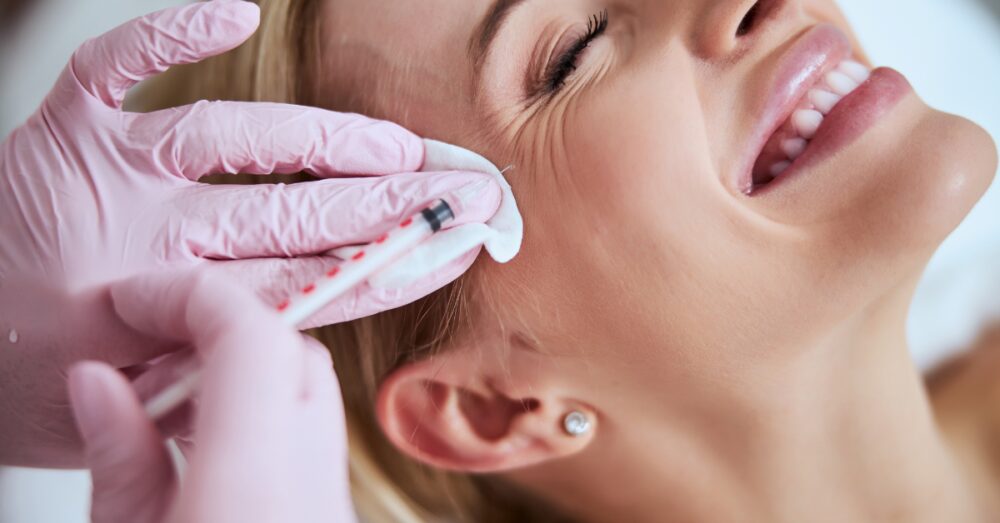
The procedure itself is quick and straightforward. Most sessions take about 10 to 15 minutes, and no anesthesia is required. Your provider will clean the treatment area and use a fine needle to place small amounts of Botox into specific points around each eye.
Typical injection sites include two to three points along the outer corners of each eye, targeting the muscle fibers that create those creasing patterns. Some clients describe the sensation as a brief pinch. You can return to most daily activities immediately afterward, which is why crow’s feet Botox is often called a “lunchtime procedure.”
How Many Units of Botox Are Needed for Crow’s Feet?
Dosing varies from person to person. Most clients need about 10 to 15 units per eye, though your provider may adjust that number based on your anatomy, muscle strength, and desired outcome.
Men and individuals with stronger musculature often require more units to achieve the same results. Younger patients with mild fine lines may need fewer units, and some providers offer baby Botox, which is a lighter dose designed to preserve more natural movement while still softening lines.
What Is Recovery Like After Crow’s Feet Botox in San Diego?
Recovery time is minimal. You might notice mild swelling, redness, or slight bruising at the injection site, but these effects typically resolve within a few days.
Here are the key aftercare steps to follow:
- Avoid touching or rubbing the treated areas for at least four hours
- Stay upright for three to four hours after your appointment
- Skip strenuous exercise for 24 hours
- Hold off on makeup application near the injection site until the next day
- Avoid ibuprofen, aspirin, and blood thinners that can worsen bruising
- Use acetaminophen if you experience a mild headache
You can expect to see a reduction in crow’s feet within three to five days, with full effects visible in about 7 to 14 days.
How Long Do Results Last, and When Should You Schedule Maintenance?
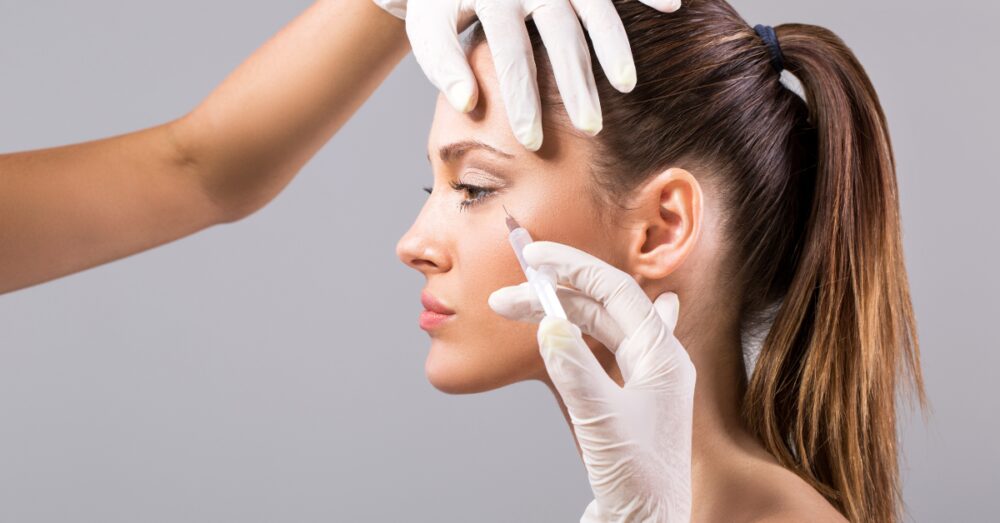
The effects of Botox for crow’s feet typically last three to four months. After that window, the treated muscles gradually regain their strength and wrinkles may begin to reappear.
Most clients schedule regular maintenance treatments every three to four months to keep their results consistent. Over time, regular use of Botox can actually prevent fine lines from deepening into permanent static wrinkles, so consistent treatment isn’t just about maintaining your look, it’s about protecting your skin long-term. For clients with deeper wrinkles that remain visible even at rest, your provider may suggest combining Botox with other treatment options to address both the muscle activity and the skin texture.
Can You Combine Botox With Other Treatments for Better Results?
Absolutely. While Botox excels at smoothing dynamic wrinkles caused by muscle movement, it doesn’t add volume or resurface the skin. That’s where complementary treatments come in.
Dermal fillers can provide instant results by plumping the skin beneath crow’s feet, making them a good complement for lines that Botox alone can’t fully address. Laser treatment enhances skin renewal and collagen production, offering longer-lasting improvements to skin texture, though it may be more expensive compared to how much Botox costs.
Topical creams containing retinoids or peptides can also support collagen health between appointments. Your provider can recommend a combination plan tailored to your specific wrinkle types and skin goals.
Frequently Asked Questions About Crow’s Feet Botox
How quickly will I see results after Botox for crow’s feet?
Most clients notice a visible reduction in fine lines and wrinkles within three to five days after treatment. Full results typically develop within 7 to 14 days as the Botox works to fully relax the targeted muscles around the outer corners of the eyes.
Is Botox for crow’s feet painful?
The discomfort is minimal. Most clients describe the injections as a quick pinch that lasts only a second or two. The needles used are very fine, and the procedure requires no anesthesia. If you’re sensitive, your provider can apply a topical numbing agent beforehand.
Can Botox prevent crow’s feet from getting worse?
Yes. Regular Botox treatments can prevent fine lines from deepening into permanent static wrinkles over time. By keeping the muscles relaxed, you reduce the repetitive folding that causes lines to etch into the skin permanently, which is why many younger patients choose to start treatment early.
How often do I need to repeat crow’s feet Botox treatments?
Most clients return every three to four months to maintain their smooth, natural appearance. Your provider may adjust the frequency based on how your body metabolizes the product and how your muscles respond over time.
Are there any reasons I shouldn’t get Botox for crow’s feet?
Botox may not be appropriate if you’re pregnant, breastfeeding, or have a neuromuscular disorder. Certain medications can also interact with botulinum toxin, so it’s important to share your full medical history during your consultation. Your healthcare provider will help determine whether you’re a good candidate.
Ready to Treat Your Crow’s Feet? Visit Coastal Medical Aesthetics on Del Mar Heights Road
If you’re ready to smooth crow’s feet and enjoy a more youthful appearance, the team at Coastal Medical Aesthetics on Del Mar Heights Road in San Diego, CA is here to help. Our licensed providers bring the skill and artistry needed to deliver natural, beautiful results tailored to your unique facial anatomy.
Call (858) 353-7171 to book your consultation today and take the first step toward refreshed, confident skin.